
 Get Directions
The park -- located in a transitional zone between New Jersey's southern and northern vegetational types -- has four marked hiking trails, blazed in yellow, green, blue and red, respectively. This hike will follow the Green Trail, which is the longest and most interesting of the park's trails, proceeding for most of its route through a protected natural area. There are green blazes at all...
Hike Description:
The park -- located in a transitional zone between New Jersey's southern and northern vegetational types -- has four marked hiking trails, blazed in yellow, green, blue and red, respectively. This hike will follow the Green Trail, which is the longest and most interesting of the park's trails, proceeding for most of its route through a protected natural area. There are green blazes at all intersections and important turns in the trail. In addition, green blazes on brown wands indicate each tenth of a mile along the way.
All four trails begin at the kiosk at the southern end of the parking area. Just beyond, the trails fork. Bear left and follow the blazes downhill along a wooden boardwalk with many long steps. At the next intersection, the Yellow Trail continues straight ahead, but you should turn left, following the green, blue and red blazes. After crossing the first of many wooden bridges you'll encounter on this hike, the trail heads uphill to the park's Nature Center. You will want to stop here to view the informative exhibits and obtain a trail map.
Continue ahead along the trail through the hardwood forest. You will soon reach a spot with a view through the trees over the Cheesequake Salt Marsh to the right of the trail. Continue downhill on wooden steps and a boardwalk, then climb a long flight of wooden steps. Just beyond the top of the steps, the Blue Trail leaves to the right, but you should turn left, following the green and red blazes.
After paralleling a ravine on the left, the trail descends wooden steps to cross a bridge over the ravine. Soon, the trail climbs some more wooden steps, levels off, and crosses a sand road known as Perrine Road. Just beyond the road, the Red Trail leaves to the left, but you should bear right to continue along the Green Trail.
After another relatively level stretch, the trail bears left at a fork and descends rather steeply, passing a beautiful stand of tall phragmites (swamp grass) on the right. Next, it descends wooden steps to cross a fresh-water swamp on a long boardwalk, the end of which has been built around several large red maple trees.
At the end of the swamp, the trail climbs a little and levels off. Soon, it descends wooden steps to cross another boardwalk which passes through an Atlantic white cedar swamp, with dense thickets of sweetbay magnolia. Here, a layer of clay beneath the surface traps the water and prevents it from draining off. After crossing this interesting and unusual swamp, the trail continues through deciduous woods, crossing a boardwalk over a wet area. It climbs over a ridge and descends to cross Museum Road, another sandy road.
After another level stretch, the trail climbs over exposed tree roots abd ascends wooden steps. From the top of the rise, it descends gradually, turns right to cross a ravine on a wooden bridge, then turns left to cross a smaller ravine on another bridge and continues ahead on a level path.
After descending to the left of a shallow ravine, the sandy Museum Road is visible straight ahead. Here, the Green Trail bears right, as an unmarked trail joins from the left. Just beyond, you will notice a depressed area to the left of the trail. This is the site of the former park museum, built in the 1950s but never used. The building – after which Museum Road is named – was demolished soon after it was constructed.
The trail skirts a low-lying area with deciduous trees on the left, often flooded during periods of heavy rain. Just beyond a huge fallen oak tree (uprooted by Hurricane Sandy), the trail turns left and proceeds across the low-lying area on a long boardwalk. After crossing a stream on bridge, the trail bears left and continues to skirt the low-lying area. Soon, it curves to the right and crosses a short boardwalk, with a viewing platform that overlooks a grassy, wet area. The dead trees in this area were killed by siltation from development outside the park that settled into this low area.
The trail now turns left and crosses another boardwalk. It then climbs over a small hill, turns right to briefly parallel a ravine on the left, and continues along a level footpath. After descending into a ravine and crossing a wooden bridge over a stream, the trail climbs to Perrine Road, opposite a restroom building.
Turn left and continue along this paved road for about 900 feet, passing another restroom building at Gordon Field, a group camping area. About 150 feet beyond the second restroom building, follow the Green Trail as it turns right at a wooden arch and – along with the Red Trail – follows a footpath into the woods. It skirts to the left of the field, then bears left and descends to Museum Road. Turn right on this road and follow it, past a turnoff to the Nature Center, back to the parking area where the hike began.
Publication: Submitted by Daniel Chazin on 05/23/2002 updated/verified on 08/12/2019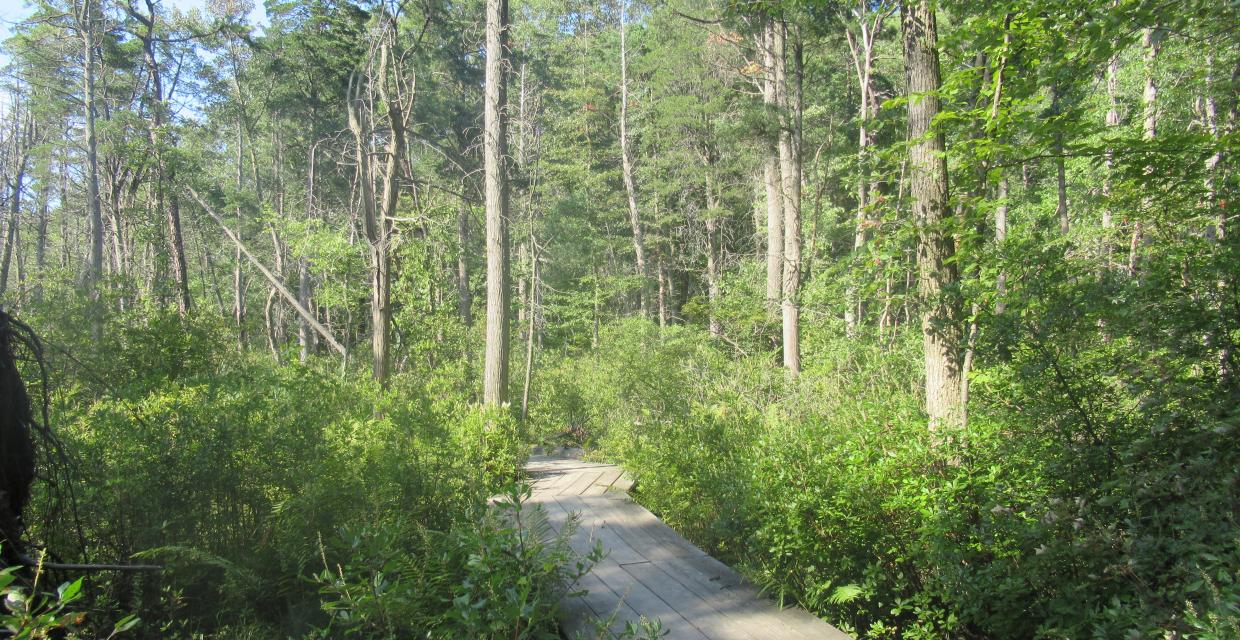
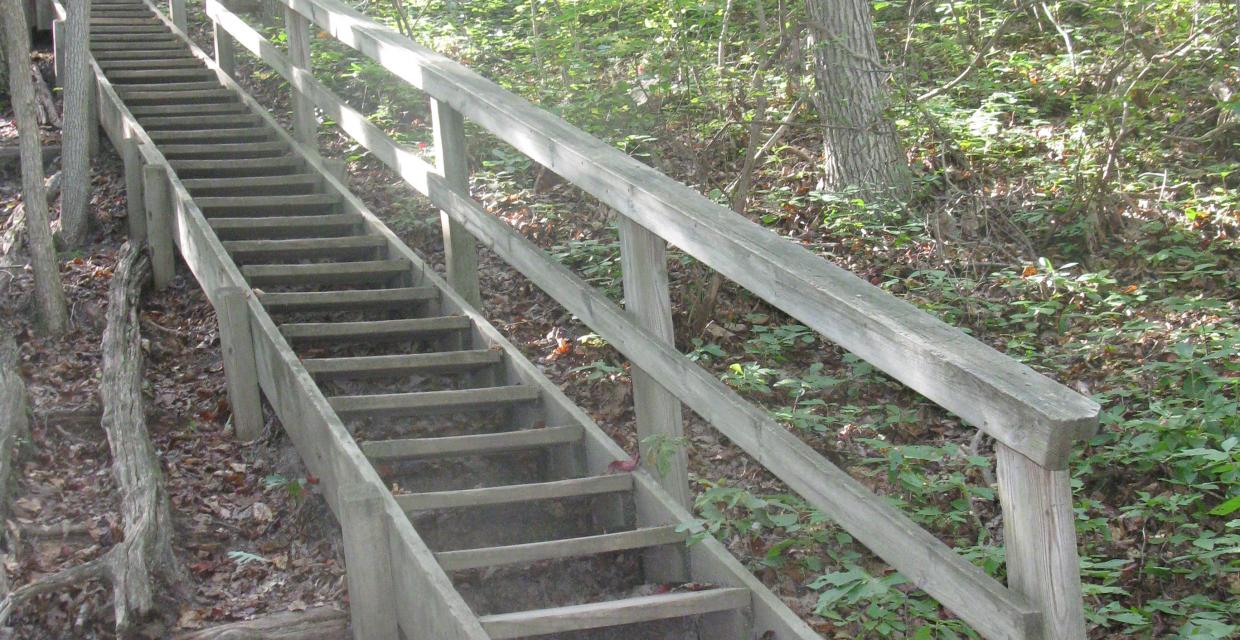
This loop hike passes through diverse habitats, including upland hardwoods, pine barrens, fresh-water swamps and an Atlantic white cedar swamp.
40.434536, -74.26363
Middlesex Co., NJ
3 mi
2 hrs

Web Map: Cheesequake State Park Map
Hike Checklist:
Whether you are going for a day hike or backpacking overnight, it is good practice to carry what we call The Hiking Essentials. These essentials will help you enjoy your outing more and will provide basic safety gear if needed. There may also be more essentials, depending on the season and your needs.
The Essentials
Hiking Shoes or Boots
Water - Two quarts per person is recommended in every season. Keep in mind that fluid loss is heightened in winter as well as summer. Don't put yourself in the position of having to end your hike early because you have run out of water.
Map - Know where you are and where you are going. Many of our hiking areas feature interconnecting network of trails. Use a waterproof/tear-resistant Tyvek Trail Conference map if available or enclose your map in a Ziplock plastic bag. If you have a mobile device, download Avenza’s free PDF Maps app and grab some GPS-enhanced Trail Conference maps (a backup Tyvek or paper version of the map is good to have just in case your batteries die or you don't have service). Check out some map-reading basics here.
Food - Snacks/lunch will keep you going as you burn energy walking or climbing. Nuts, seeds, and chocolate are favorites on the trail.
Sunscreen and insect repellent
Rain Gear and Extra Clothing - Rain happens. So does cold. Be prepared for changing weather. Avoid cotton--it traps water against your skin and is slow to dry. If you are wearing wet cotton and must return to your starting point, you risk getting chills that may lead to a dangerous hypothermia. Choose synthetic shirts, sweaters and/or vests and dress in layers for easy on and off.
Compass - A simple compass is all you need to orient you and your map to magnetic north.
Light - A flashlight or small, lightweight headlamp will be welcome gear if you find yourself still on the trail when darkness falls. Check the batteries before you start out and have extras in your pack.
First Aid Kit - Keep it simple, compact, and weatherproof. Know how to use the basic components.
Firestarter and Matches - In an emergency, you may need to keep yourself or someone else warm until help arrives. A firestarter (this could be as simple as leftover birthday candles that are kept inside a waterproof container) and matches (again, make sure to keep them in a waterproof container) could save a life.
Knife or Multi-tool - You may need to cut a piece of moleskin to put over a blister, repair a piece of broken equipment, or solve some other unexpected problem.
Emergency Numbers - Know the emergency numbers for the area you're going to and realize that in many locations--especially mountainous ones, your phone will not get reception.
Common Sense - Pay attention to your environment, your energy, and the condition of your companions. Has the weather turned rainy? Is daylight fading? Did you drink all your water? Did your companion fail to bring rain gear? Are you getting tired? Keep in mind that until you turn around you are (typically) only half-way to completing your hike--you must still get back to where you started from! (Exceptions are loop hikes.)
Check the weather forecast before you head out. Know the rules and regulations of the area.
The Leave No Trace Seven Principles
Plan Ahead and Prepare
- Know the regulations and special concerns for the area you'll visit.
- Prepare for extreme weather, hazards, and emergencies.
- Schedule your trip to avoid times of high use.
- Visit in small groups when possible. Consider splitting larger groups into smaller groups.
- Repackage food to minimize waste.
- Use a map and compass to eliminate the use of marking paint, rock cairns or flagging.
Travel and Camp on Durable Surfaces
- Durable surfaces include established trails and campsites, rock, gravel, dry grasses or snow.
- Protect riparian areas by camping at least 200 feet from lakes and streams.
- Good campsites are found, not made. Altering a site is not necessary.
- In popular areas:
- Concentrate use on existing trails and campsites.
- Walk single file in the middle of the trail, even when wet or muddy.
- Keep campsites small. Focus activity in areas where vegetation is absent.
- In pristine areas:
- Disperse use to prevent the creation of campsites and trails.
- Avoid places where impacts are just beginning.
- Pack it in, pack it out. Inspect your campsite and rest areas for trash or spilled foods. Pack out all trash, leftover food and litter.
- Deposit solid human waste in catholes dug 6 to 8 inches deep, at least 200 feet from water, camp and trails. Cover and disguise the cathole when finished.
- Pack out toilet paper and hygiene products.
- To wash yourself or your dishes, carry water 200 feet away from streams or lakes and use small amounts of biodegradable soap. Scatter strained dishwater.
- Preserve the past: examine, but do not touch cultural or historic structures and artifacts.
- Leave rocks, plants and other natural objects as you find them.
- Avoid introducing or transporting non-native species.
- Do not build structures, furniture, or dig trenches.
- Campfires can cause lasting impacts to the backcountry. Use a lightweight stove for cooking and enjoy a candle lantern for light.
- Where fires are permitted, use established fire rings, fire pans, or mound fires.
- Keep fires small. Only use sticks from the ground that can be broken by hand.
- Burn all wood and coals to ash, put out campfires completely, then scatter cool ashes.
- Observe wildlife from a distance. Do not follow or approach them.
- Never feed animals. Feeding wildlife damages their health, alters natural behaviors, and exposes them to predators and other dangers.
- Protect wildlife and your food by storing rations and trash securely.
- Control pets at all times, or leave them at home.
- Avoid wildlife during sensitive times: mating, nesting, raising young, or winter.
Be Considerate of Other Visitors
- Respect other visitors and protect the quality of their experience.
- Be courteous. Yield to other users on the trail.
- Step to the downhill side of the trail when encountering pack stock.
- Take breaks and camp away from trails and other visitors.
- Let nature's sounds prevail. Avoid loud voices and noises.
The Trail Conference is a 2015 Leave No Trace partner.
(c) Leave No Trace Center for Outdoor Ethics: www.LNT.org.
 Directions to Trailhead
 Public Transportation
Directions to Trailhead :
Take the Garden State Parkway to Exit 120 (be sure to stay in the local lanes south of the Raritan Toll Plaza). Turn right at the end of the ramp and continue to the first traffic light. Turn right at the light onto Morristown Road, then turn right again at the next traffic light onto Gordon Road. Follow Gordon Road as it turns sharply left and continue ahead, past residential subdivisions to the left, into the park. You will pass a toll booth (an entrance fee is charged from Memorial Day weekend to Labor Day weekend) and the park office. Continue for 0.1 mile beyond the toll booth, and park in the trailhead parking area on the left side of the road. GPS address: 300 Gordon Road, Matawan, NJ 07747.
TRAIN TRANSPORT :
Not availableBUS TRANSPORT :
Not available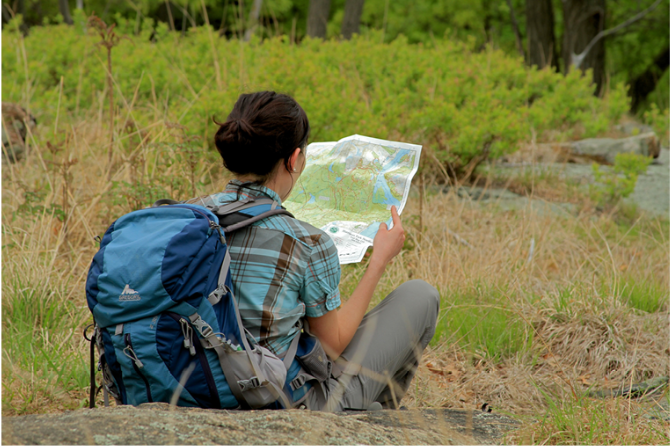
 Support the trails with a donation!
Trip Reports
rate experience
No reviews for this hike, click above rate experience link to review this hike
Log in or register to post comments