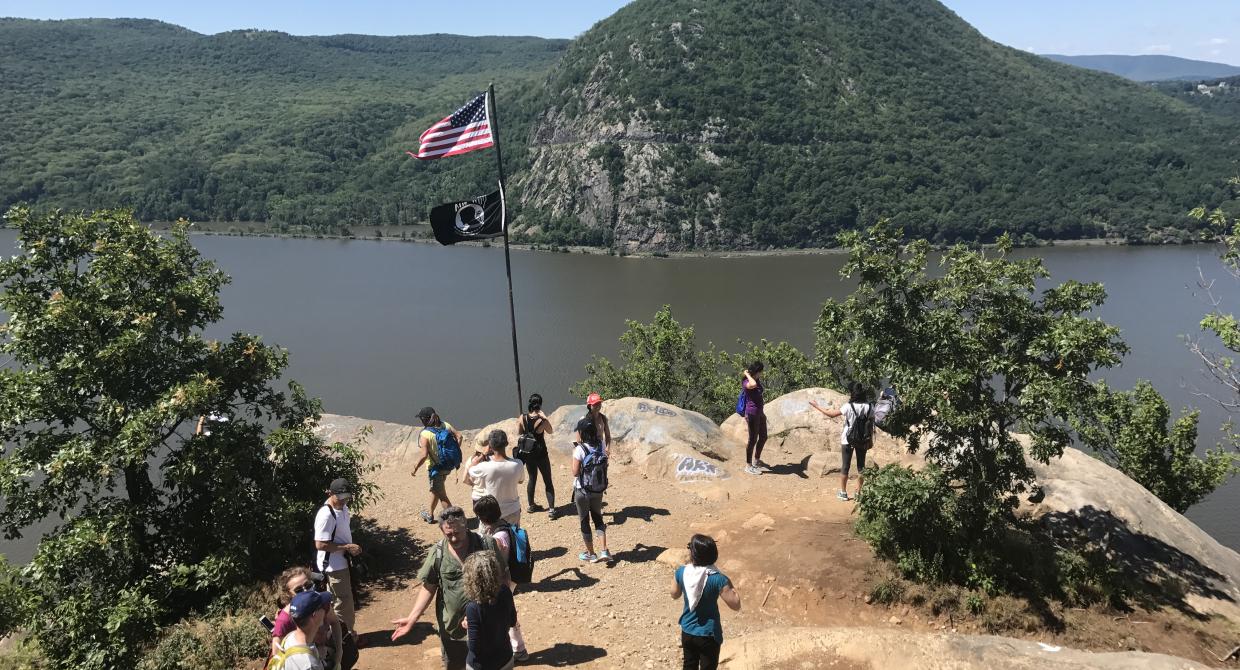
The Breakneck Connector will improve safety, infrastructure, local quality of life, and one of America’s top hiking attractions. Updated: May 2019 The partners spearheading the creation of the Hudson Highlands Fjord Trail are preparing for the commencement of construction on the Breakneck Connector. The project will dramatically improve visitor access to Breakneck Ridge from Metro-North and NYS Route 9D.…
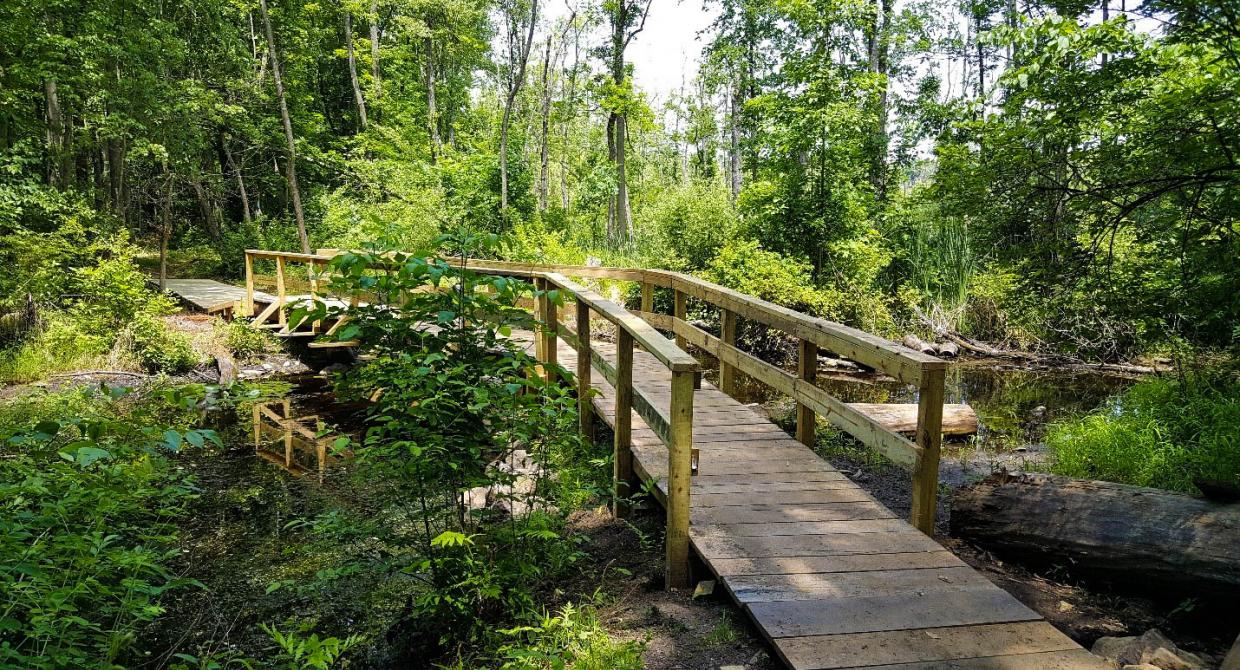
The new Crom Pond Trail bridge connects a previously inaccessible corner of FDR State Park with the Yorktown business area. FDR State Park is the largest park in the Town of Yorktown in New York’s Westchester County, featuring a popular swimming pool and picnic areas, as well as a lake for fishing and more secluded…
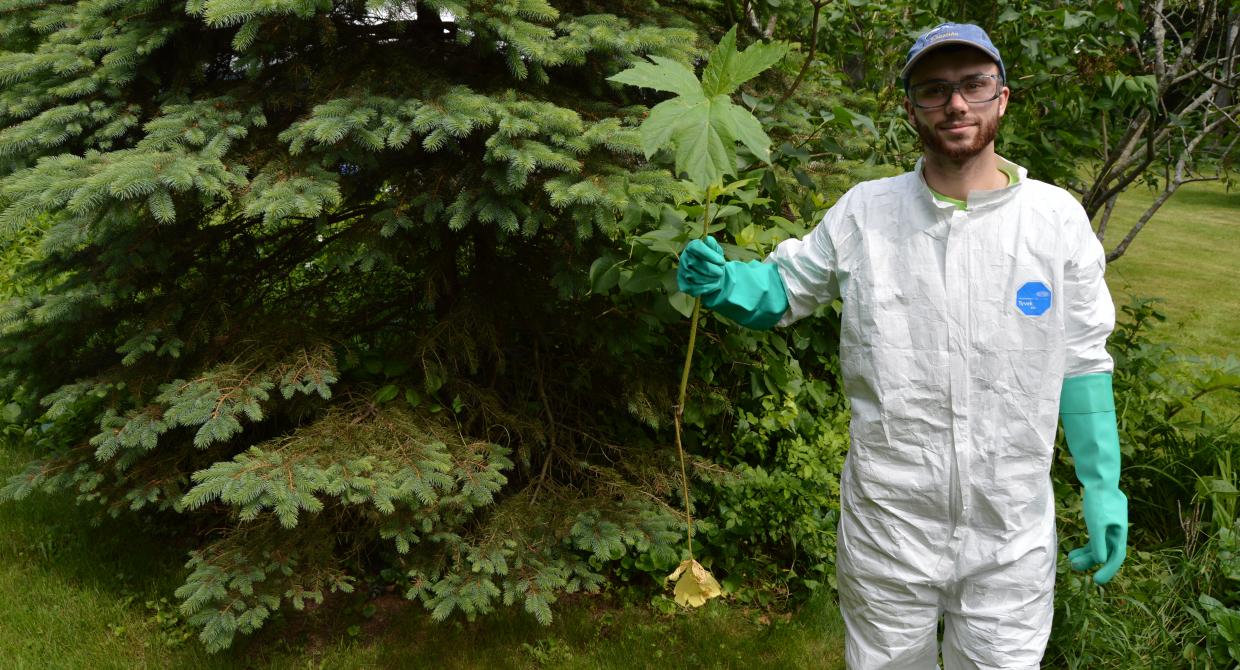
For the last five years, the Trail Conference has been doing our part to protect the rich biodiversity of the region as leaders of the Lower Hudson Partnership for Regional Invasive Species Management (LHPRISM). During this time, LHPRISM partners have removed more than 220,000 invasive plants over 1,600 acres and involved 7,000 volunteers in protecting our natural…
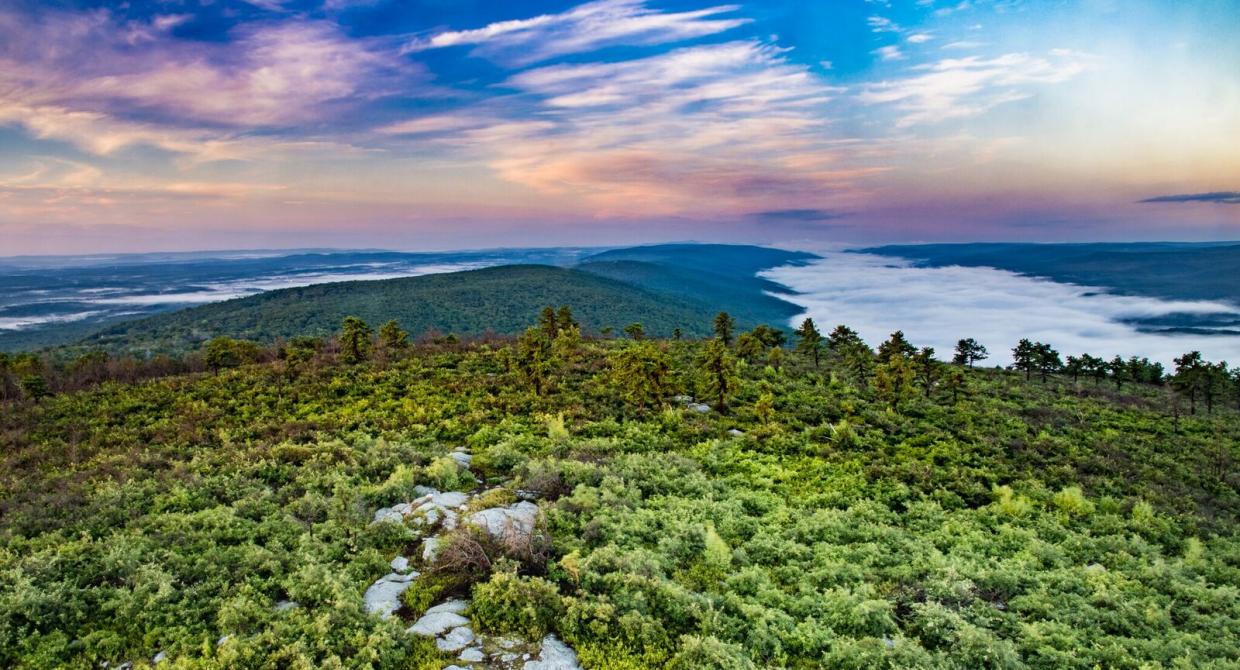
The heart of the Trail Conference has not changed, but our updated mission-vision statement better addresses the contemporary challenges and opportunities we face. When the Trail Conference was founded in 1920, its purpose was to develop a system of marked trails and shelters so that parklands could be better enjoyed by the public. As the…
While trails can take you to some breathtakingly beautiful places, it’s no secret that they have their fair share of ugly problems, too. Many of us have been out at one point or another and stumbled across an illegal dump site, trailhead vandalism, or a pack of off-road vehicle users tearing up the trail on…
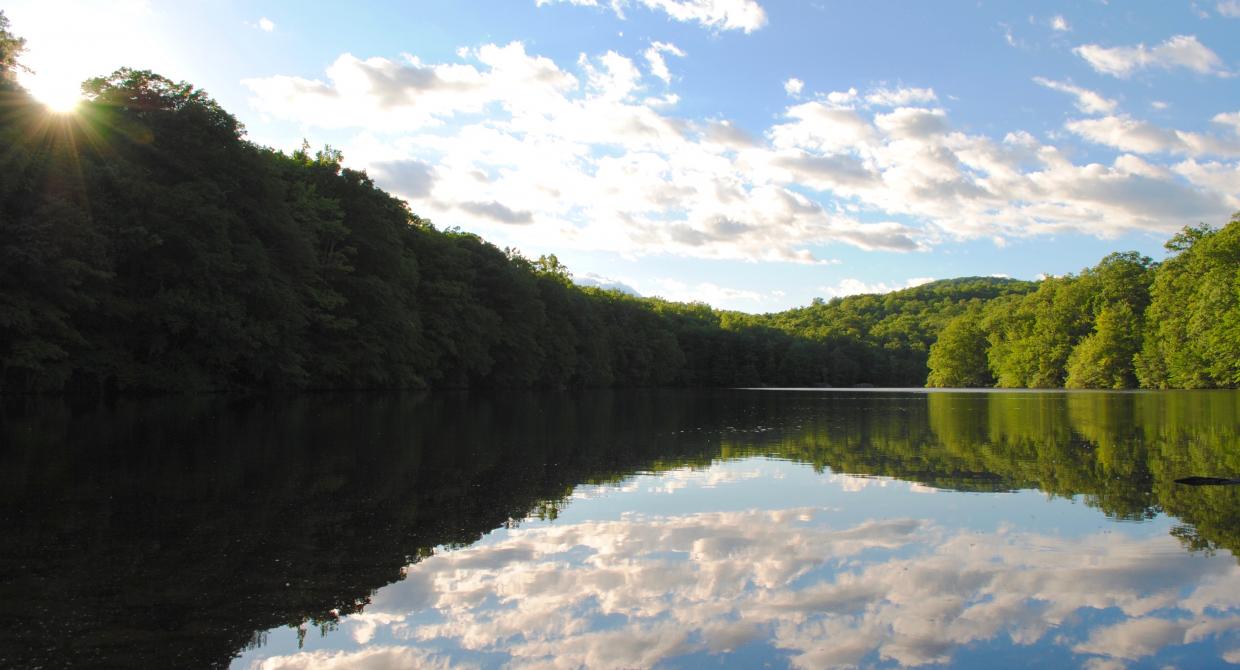
The Trail Conference has a long history of building, maintaining, and protecting hundreds of miles of trails throughout the Ramapo Mountains. These mountains—a forested chain of the Appalachians in northeastern New Jersey and southeastern New York—serve the millions of outdoor enthusiasts throughout the greater New York metropolitan region. Residents and visitors alike come to experience…
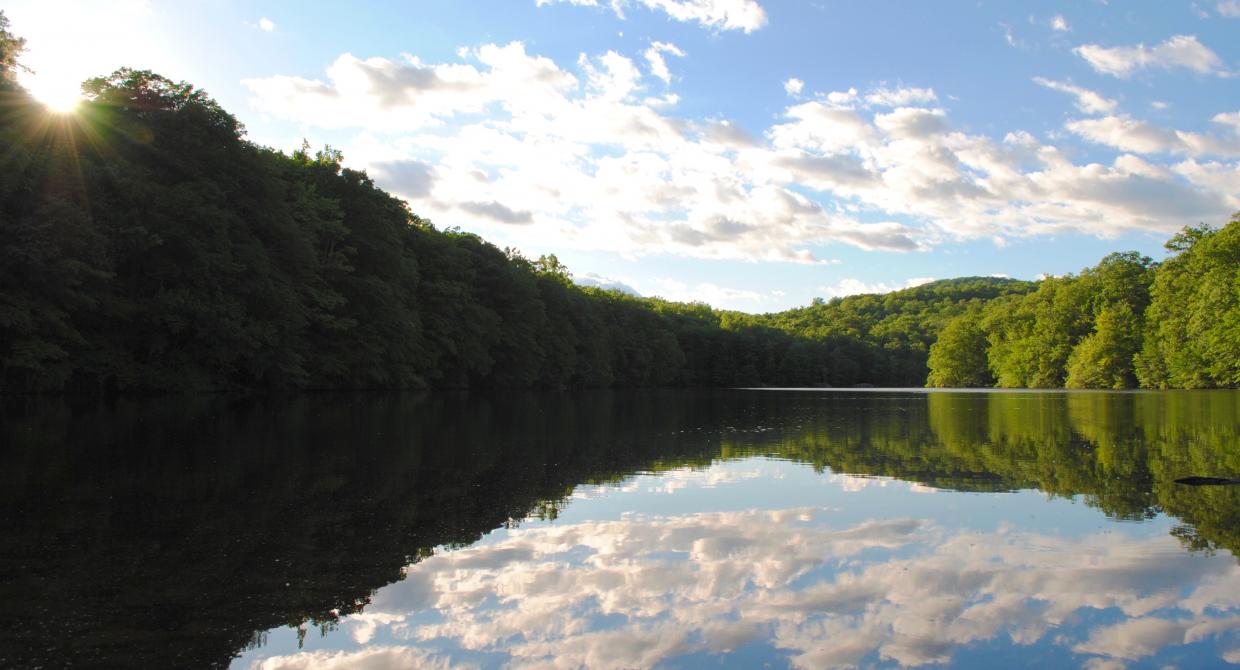
The Trail Conference has a long history of building, maintaining, and protecting hundreds of miles of trails throughout the Ramapo Mountains. These mountains—a forested chain of the Appalachians in northeastern New Jersey and southeastern New York—serve the millions of outdoor enthusiasts throughout the greater New York metropolitan region. Local residents and visitors alike come to…
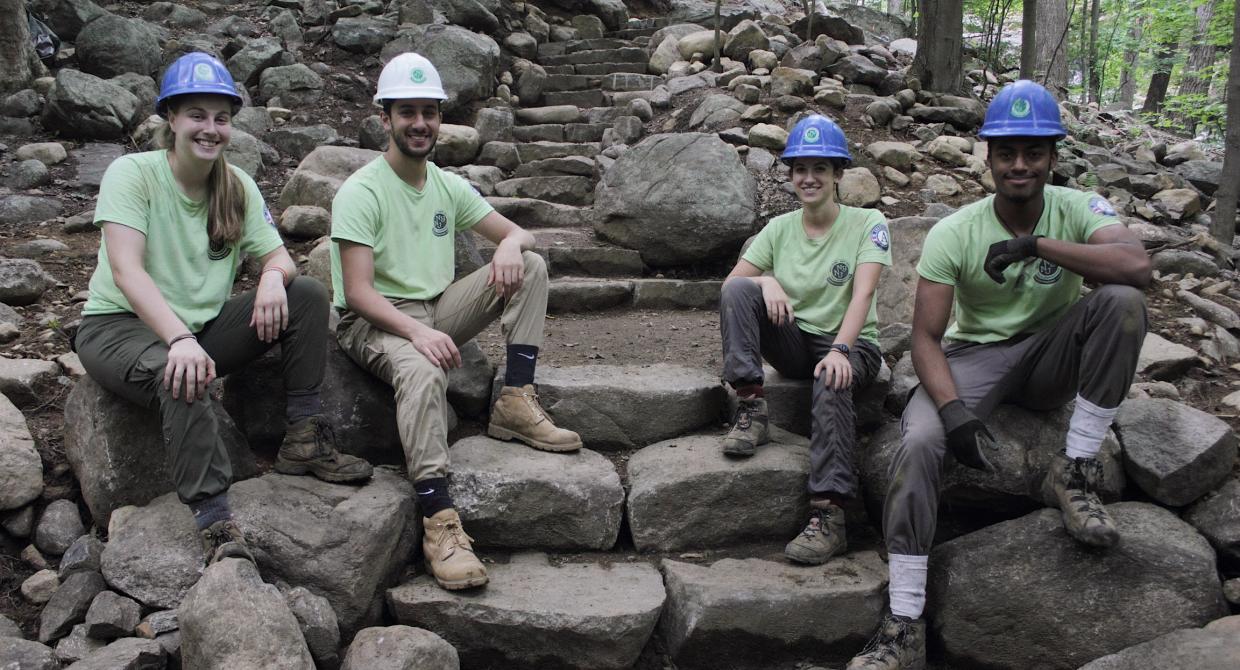
Whenever I have friends from college visit me here in Bergen County, the first place I take them is the “Res.” As they cross the bridge at the entrance and look out over Scarlet Oak Pond, their eyes expand as they drink it all in. I play along with their excitement, knowing that they’ve only scratched…

With native wildflowers in bloom, Trail Conference Headquarters is buzzing with life. Much like the landscape invites in wildlife and pollinators, the Trail Conference welcomes nature enthusiasts to enjoy the beautiful landscape and learn about the benefits of planting native species. This native landscape was designed by landscape architect Rich Pillar and is maintained by…
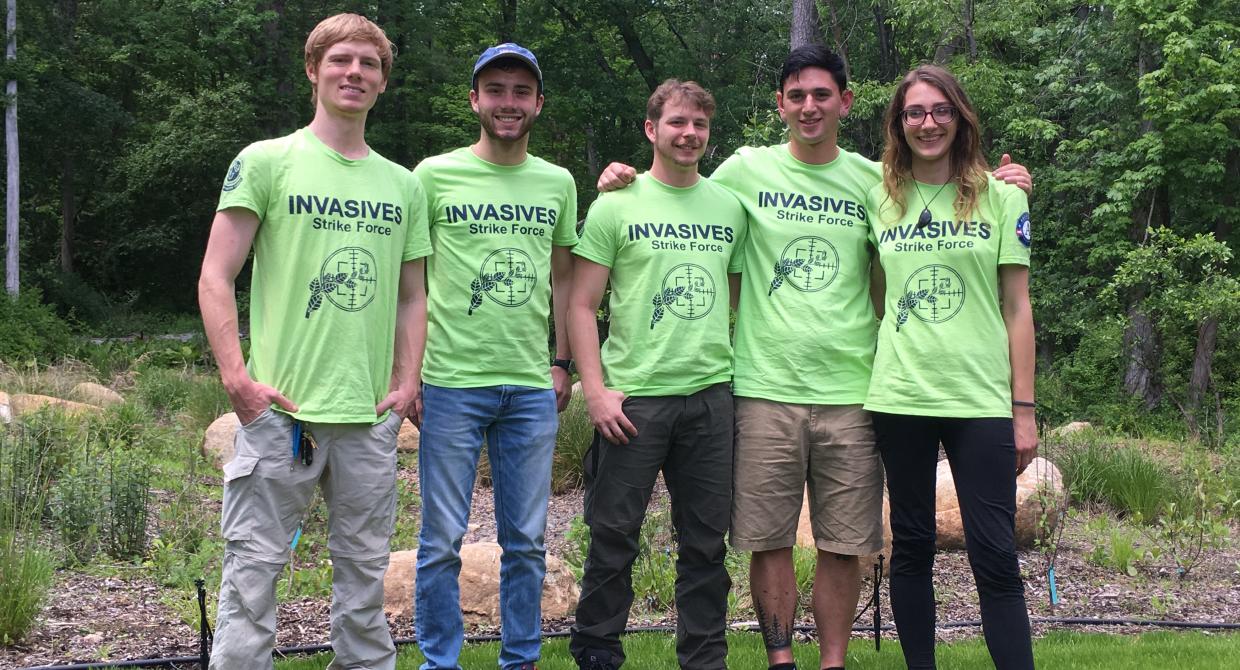
The Trail Conference’s Invasives Strike Force (ISF) Conservation Corps is at it again for their 2017 season! Knocking back over 80,000 invasive plants before the halfway point of the season, the crew has been travelling all over the Lower Hudson Valley targeting emerging invasive species that threaten our native ecosystems. Some of the project…
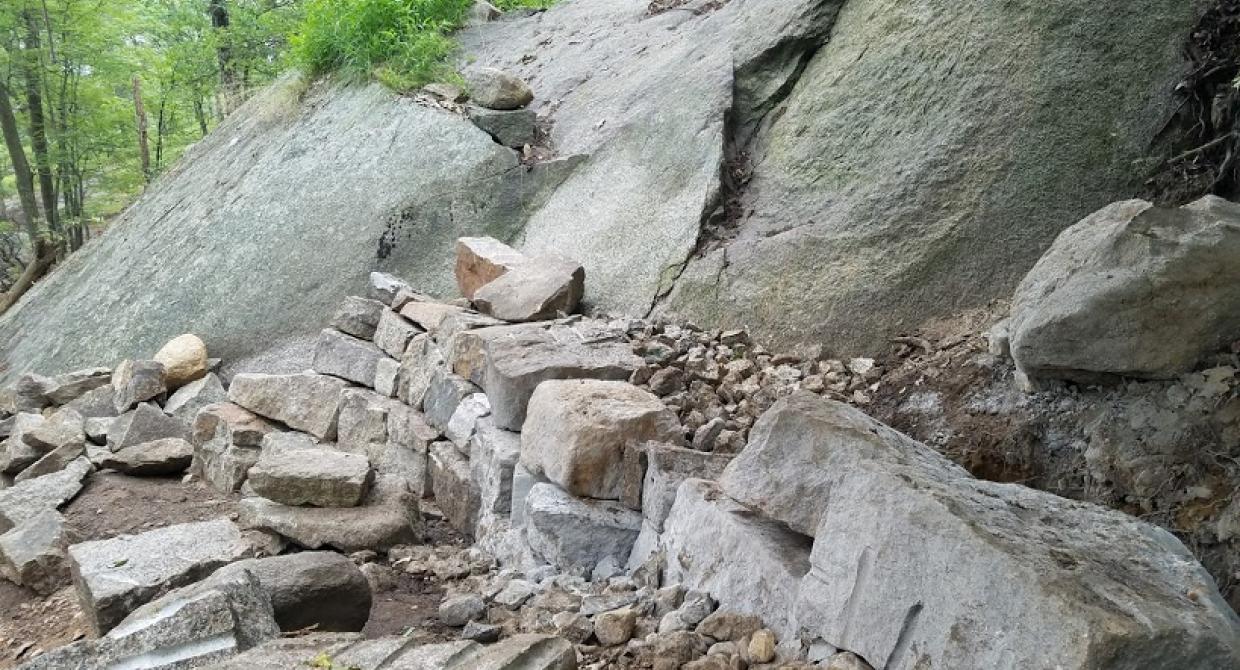
As I have come to learn quite well as a member of the Trail Conference Conservation Corps, building hiking trails can be challenging. Trail design and layout require extensive navigational skills and a keen eye. Sidehilling is no easy task. Cutting through dirt, rock, and roots all day can be a drain physically and mentally. Constructing…
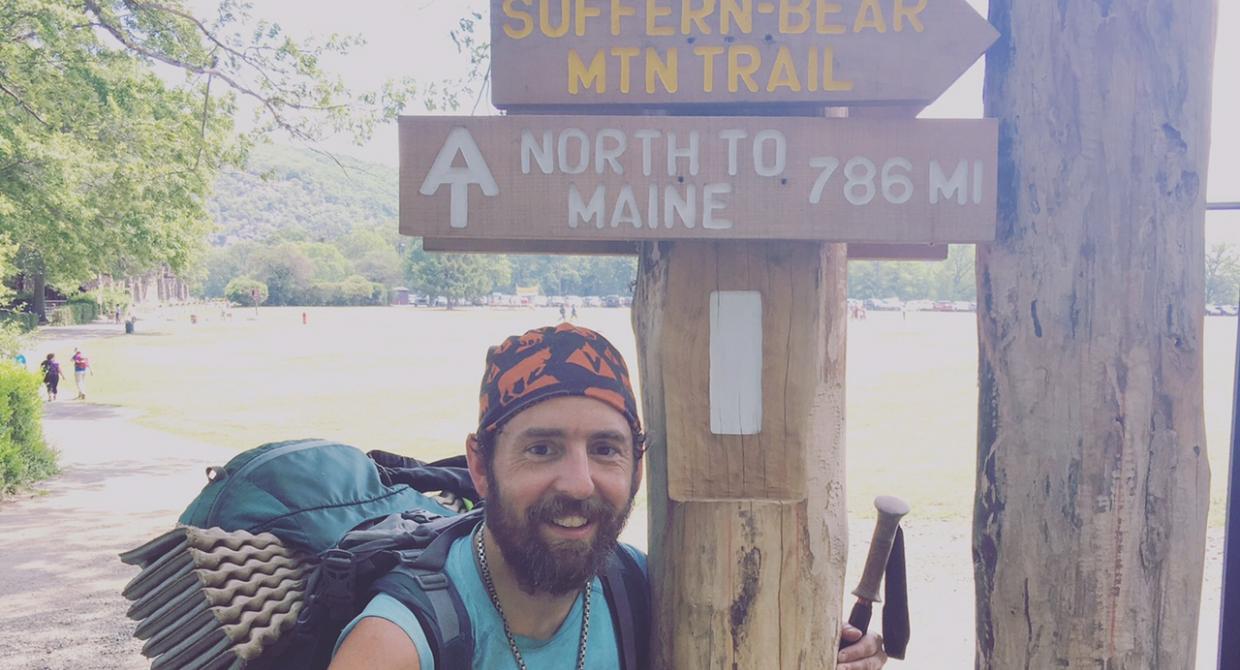
Appalachian Trail volunteer Moe Lemire is currently hiking the section of the A.T. he oversees and is sharing a little trail magic along the way. On July 21, Moe, Orange and Rockland Appalachian Trail Chair, began his hike from the New Jersey-New York border to the east side of the Hudson River. His goal is to interact with…