Trail Conference
Conservation Dogs Program
CDP Home | Our Work | About Us | Get Involved | FAQs | Surveyor Portal
How Our Dogs Make a Difference
From early detection of invasive threats to supporting research on rare species, our Conservation Dogs Program is shaping the future of ecological stewardship in the Northeast. This page highlights the work we do—and the impact our canine teams are having in the field.
Research & Collaboration
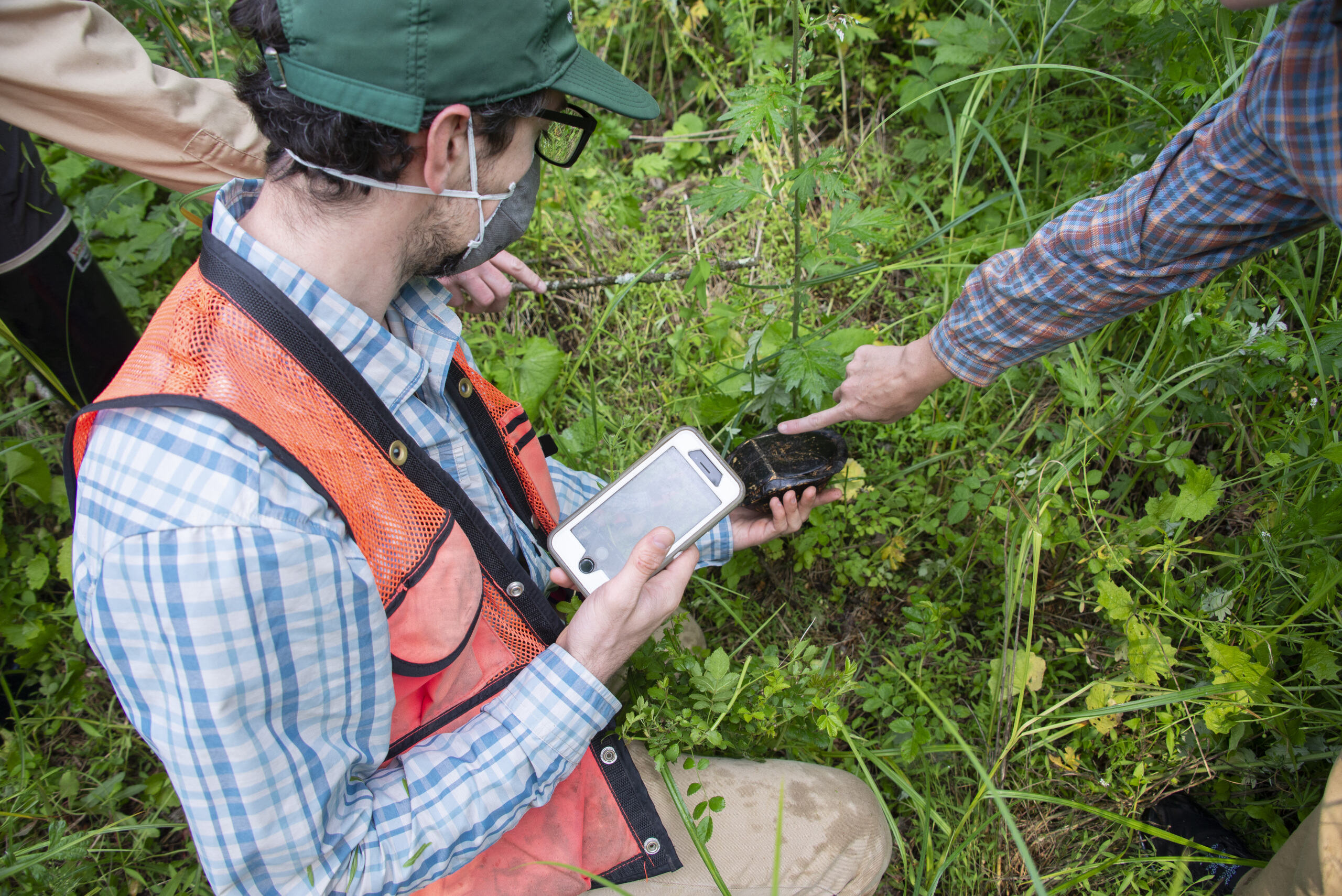
We collaborate with scientists, land managers, nonprofits, and academic partners to co-design projects rooted in science and conservation needs. Our canine teams collect data that strengthens habitat restoration plans, informs species management, and advances ecological research.
Some key partners include:
Target Detection Areas
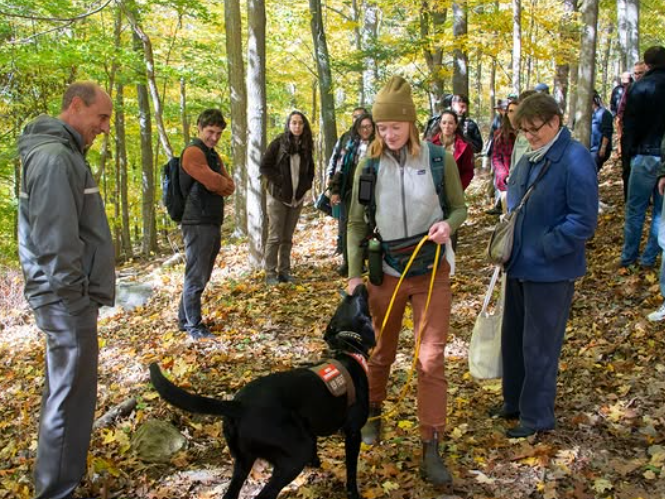
Our dogs are trained to detect a wide range of conservation targets, including:
- Invasive Plants & Insects
e.g., kudzu, sticky sage, spotted lanternfly - Rare & Imperiled Wildlife
e.g., box and wood turtles, rare plants, and vulnerable mammals - Ecological Indicators
Scat detection for wildlife population monitoring and species health analysis
Field Highlights
Explore how our teams have contributed to real-world conservation efforts:
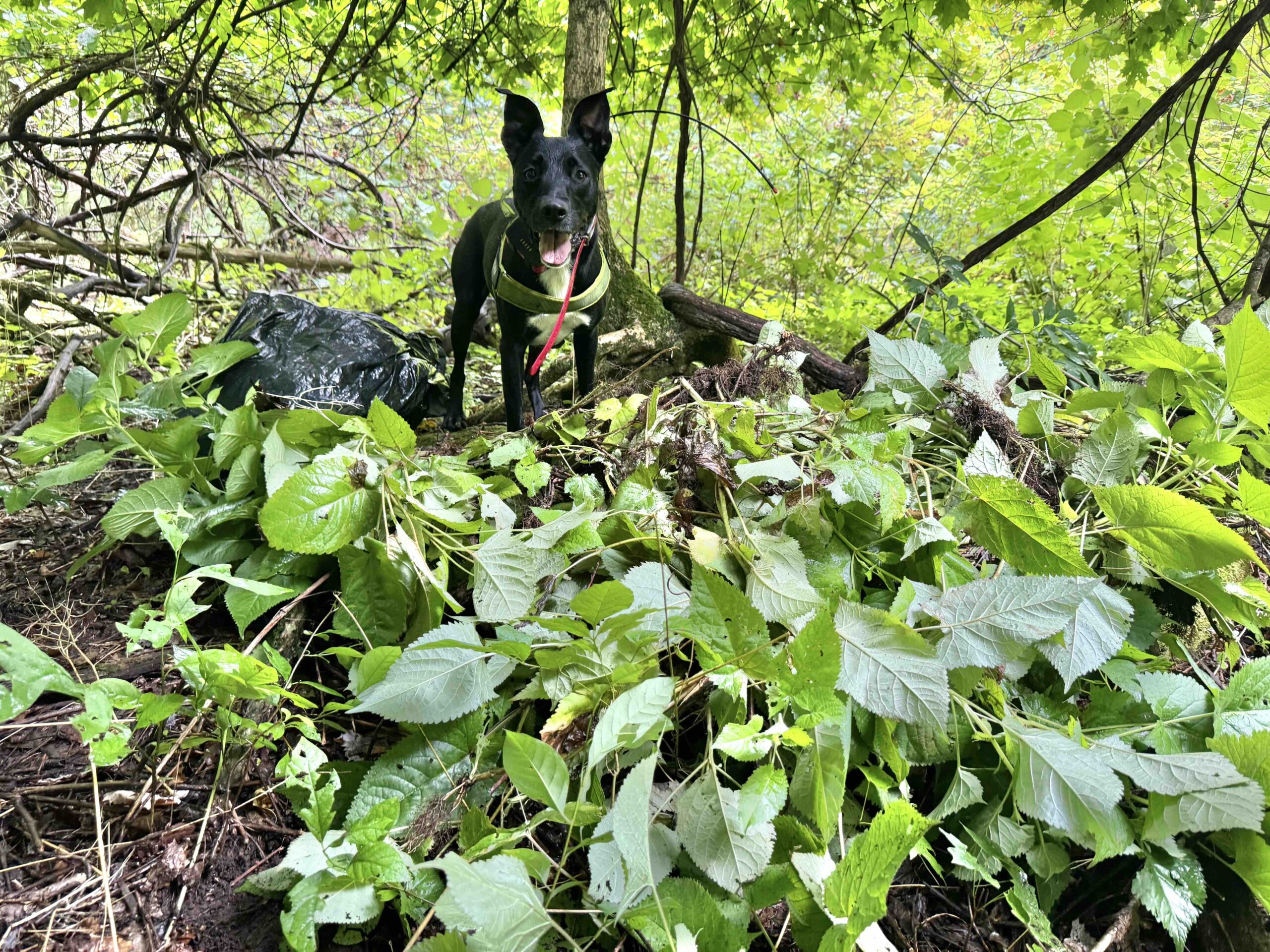
Sticky Sage Detection & Removal 2024
Rapid-response detection and removal of a fast-spreading invasive threatening the Appalachian Trail corridor.
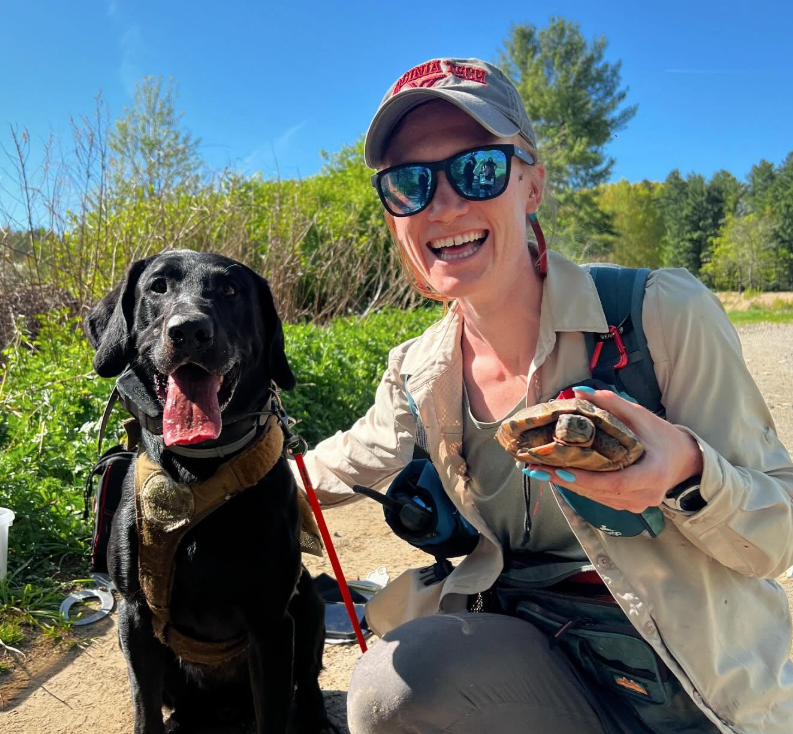
Native Turtle Surveys 2024
Tracking wood and box turtles in the Hudson Valley to support smarter habitat protection and restoration.
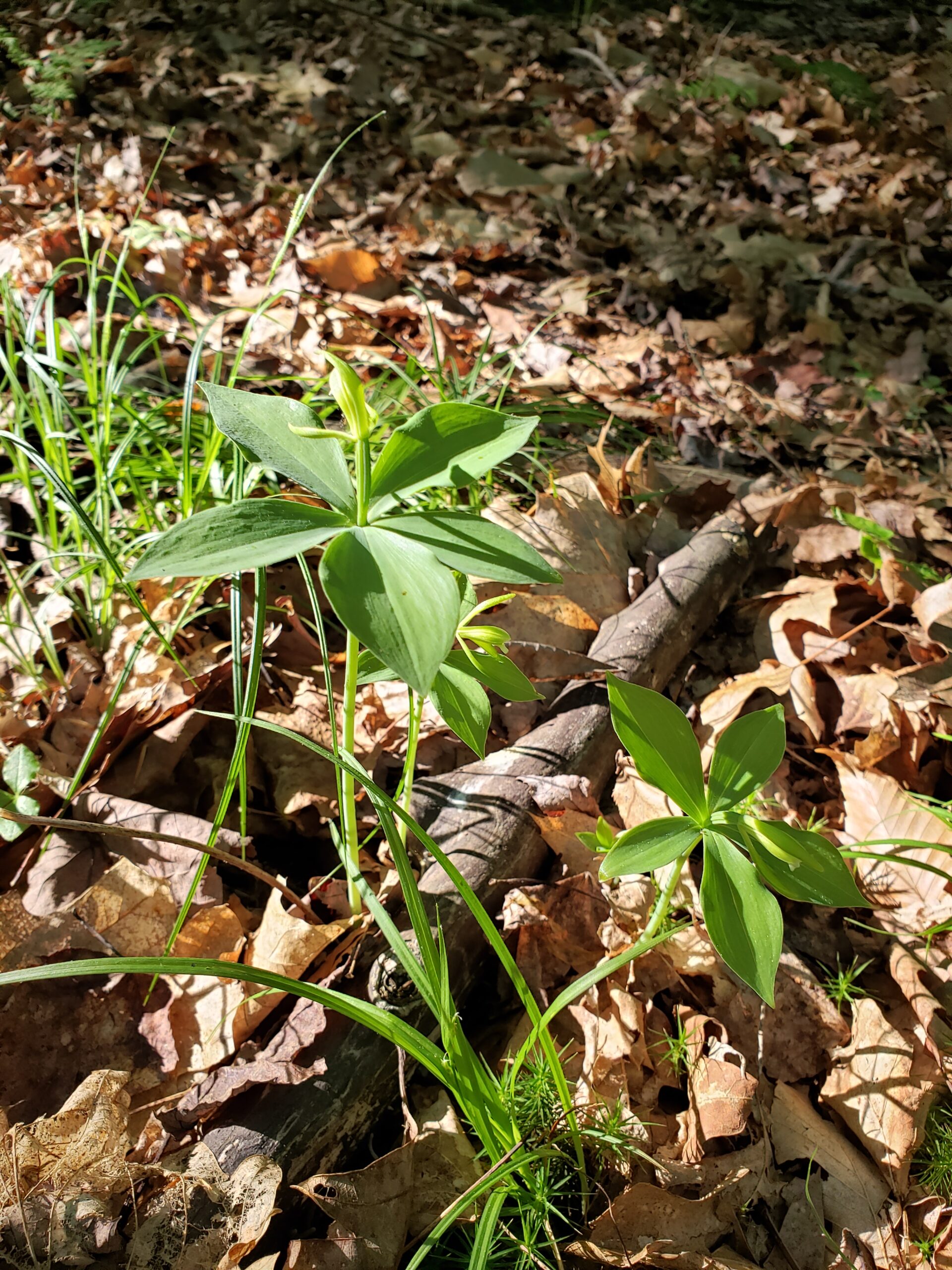
Isotria Detection Pilot Project
Pioneering rare plant detection with canine scent surveys for endangered orchids in NJ forests.
Partners & Participation
Our work is made possible through collaboration with leading conservation organizations, land managers, researchers, and funding partners. We’re proud to support regional and national biodiversity efforts through these partnerships—building capacity, advancing research, and expanding what’s possible through detection-based conservation..






Interested in partnering with us?
What We Detect
Our dogs are trained to detect a range of ecological targets, including:

Invasive Plants
- Scotch broom
- Sticky sage
- Kudzu
- Crested late summer mint

Invasive Insects
- Spotted lanternfly
- Emerald ash borer

Rare & Endangered Species
- Box & wood turtles
- New England Cottontail
- Small whorled pogonia

Scat for Mammal Monitoring
- Fox, coyote, black bear, bobcat
- Used to assess presence, diet, and range
Don’t see your target? We train dogs to meet unique detection goals in a variety of environments.
Native & Protected Species Monitoring
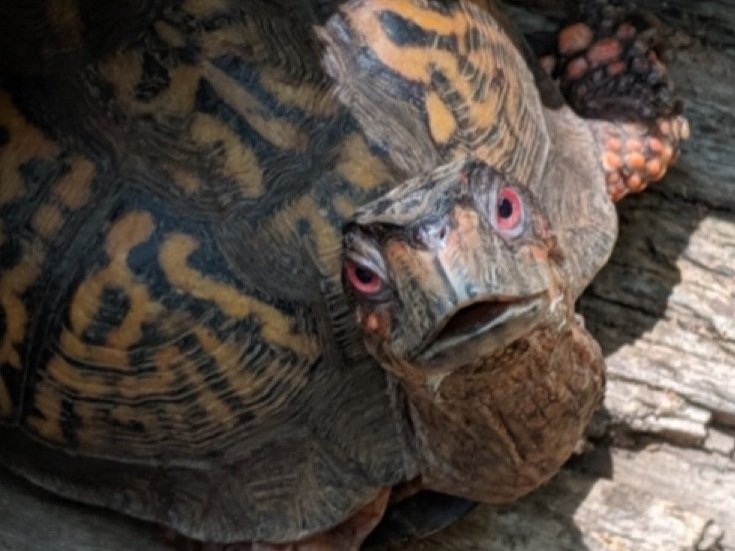
Conserving rare, imperiled, and protected species requires specialized tools and approaches, as these species are often elusive and exist in low numbers. Conservation detection dogs excel at locating these vulnerable species by detecting small or cryptic individuals and subtle signs like scat or nests, even in remote areas.
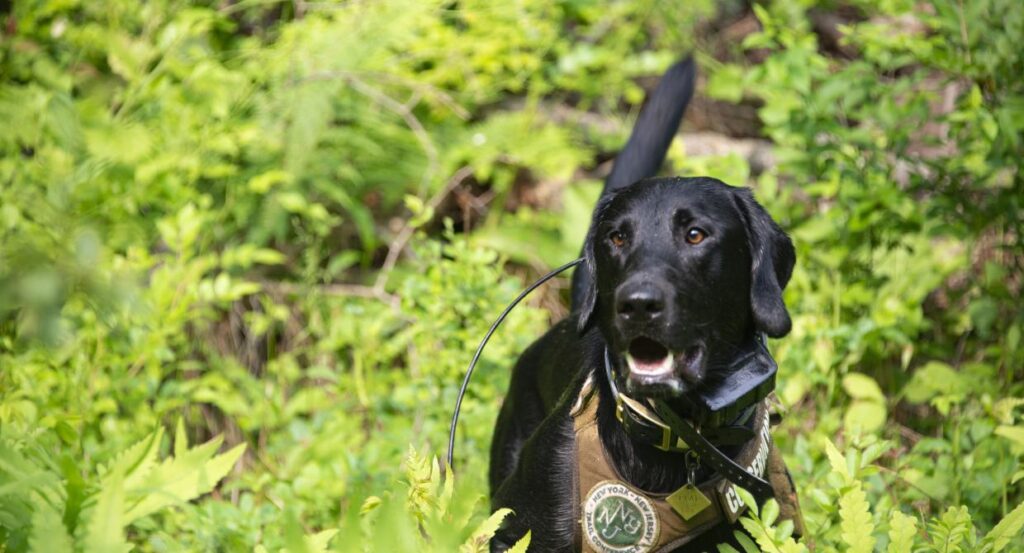
With expert training, this method minimizes disturbance to sensitive wildlife and habitats. From our findings, critical data can be collected, including species presence, genetic information, diet, and habitat usage. This data helps land managers and biologists monitor populations, assess threats, and guide conservation strategies to protect vulnerable species and their habitats.
Invasive Species Management
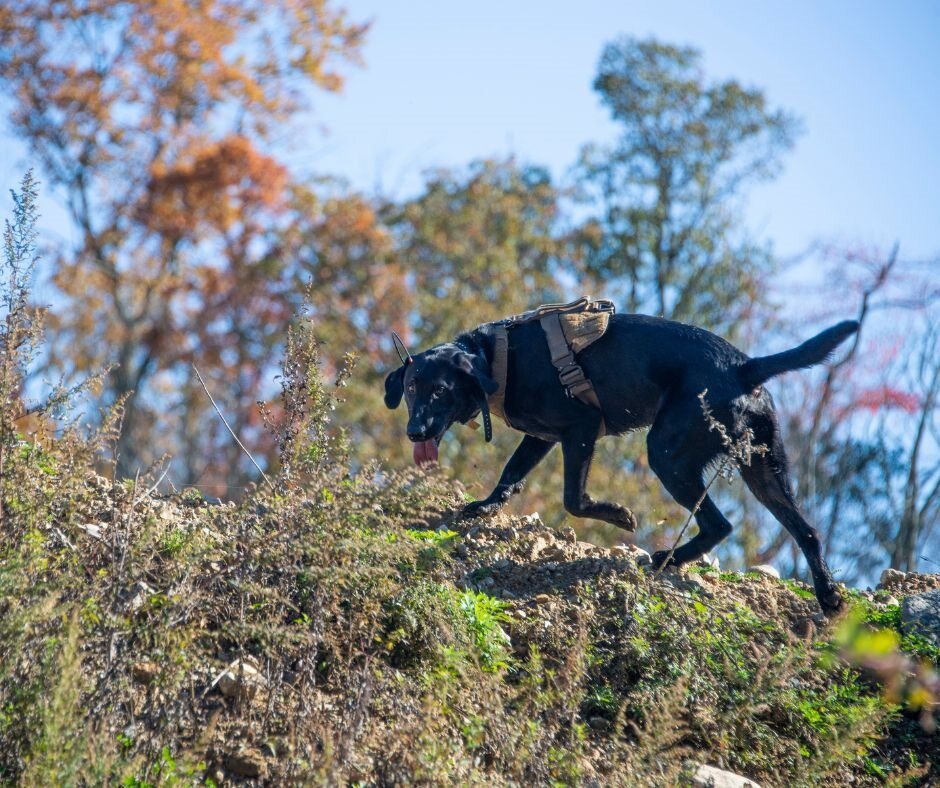
Early detection is crucial for effective invasive species management, yet spotting invaders can be challenging due to their sparse distributions and cryptic nature. This is where detection dogs excel. A groundbreaking study in Invasive Plant Science and Management1 found that trained dogs are vastly more accurate than human surveyors at detecting invasive plants, especially small seedlings-and at great distances. See the full study here.
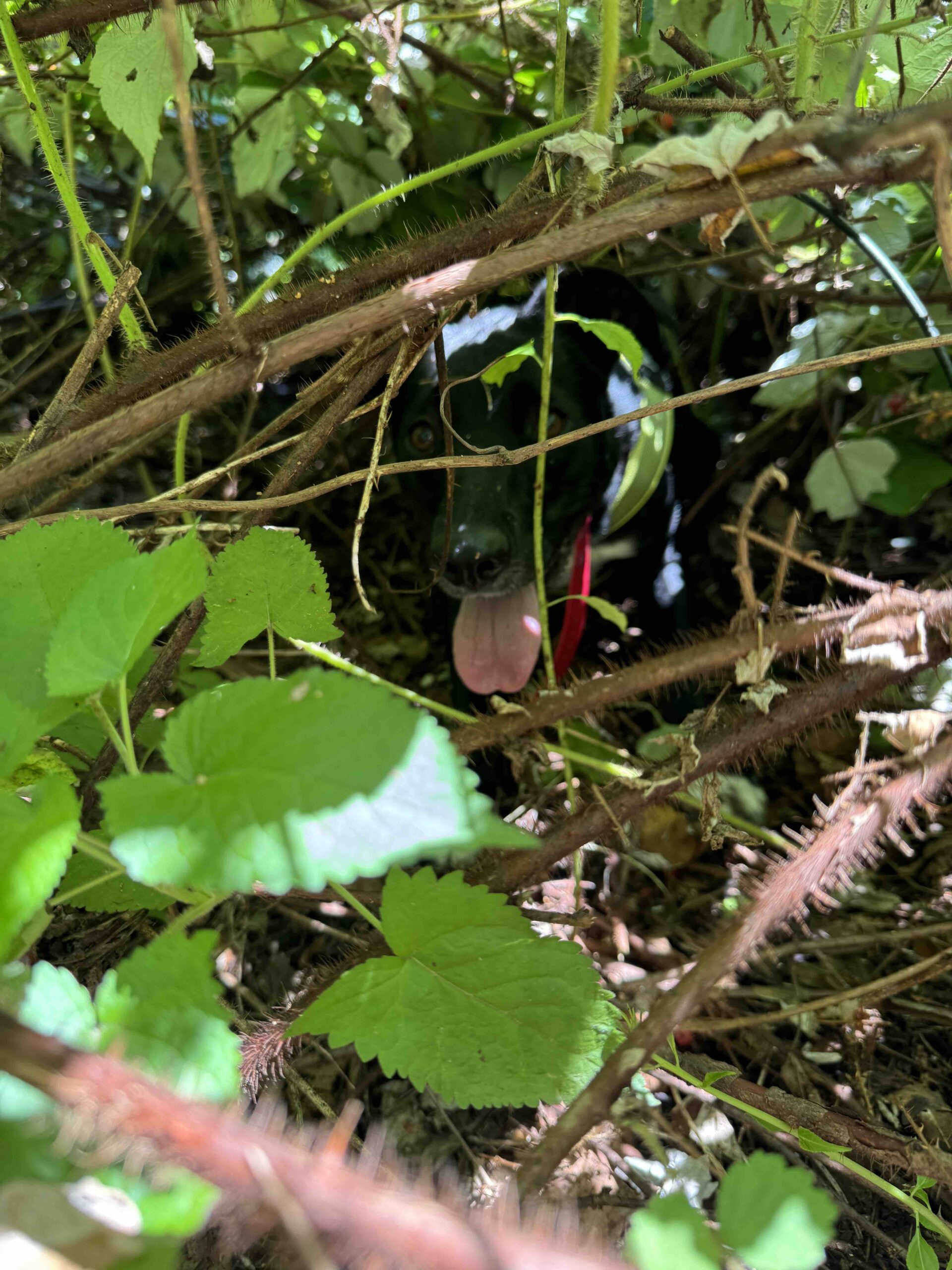
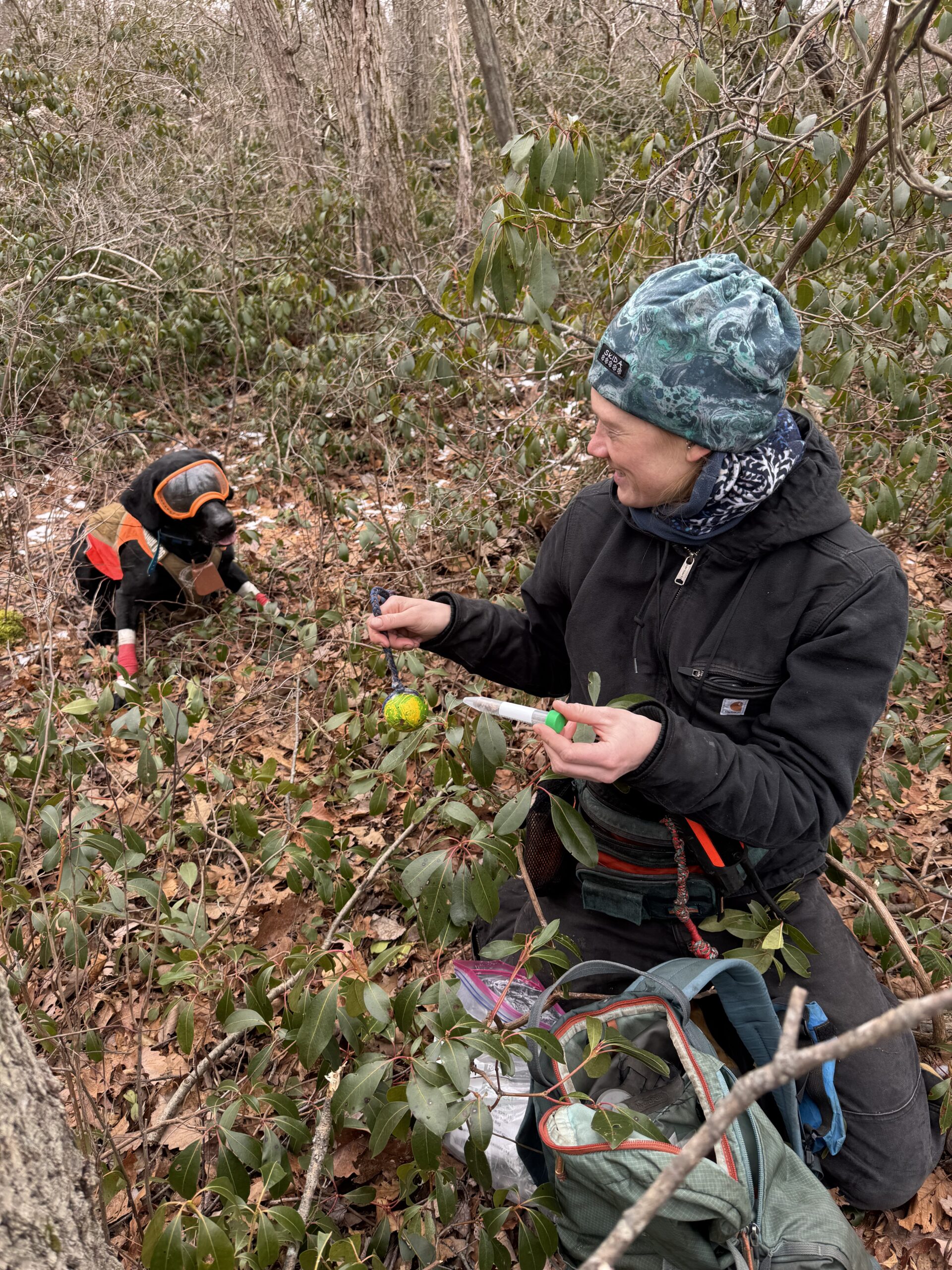
By integrating conservation dogs into the Trail Conference’s Invasives Strike Force (ISF), we significantly enhance the accuracy and efficiency of our invasive species surveys. These highly skilled dogs help us identify previously unknown infestation sites, define infestation boundaries, and locate elusive individuals that could otherwise lead to long-term infestations. In the image on the left, Lady’s nose has led her to a small hidden sticky sage seedling, located under a very dense thicket of invasive wineberry brambles!
Quotes from Volunteers or Partners:
What’s it like to work with conservation dogs? Here’s what a few of our partners and volunteers had to say.
“Working with the Trail Conference’s Conservation Dogs Program has been an eye-opening experience. Their dedication and effectiveness are truly inspiring.”
— Sarah T., Volunteer
“The dogs are incredibly talented and so well-trained. They make conservation work more effective and efficient.”
— Mark R., Partner Organization
Follow Our Journey

Follow us on Instagram
for photos and field updates

Visit our Amazon Wishlist
to support the dogs

Watch us on YouTube
for conservation stories
- Goodwin KM, Engel RE, Weaver DK. Trained Dogs Outperform Human Surveyors in the Detection of Rare Spotted Knapweed (Centaurea stoebe). Invasive Plant Science and Management. 2010;3(2):113-121. doi:10.1614/IPSM-D-09-00025.1 ↩︎